

Flooring Services Belfast
Carpets | Vinyls | Laminate
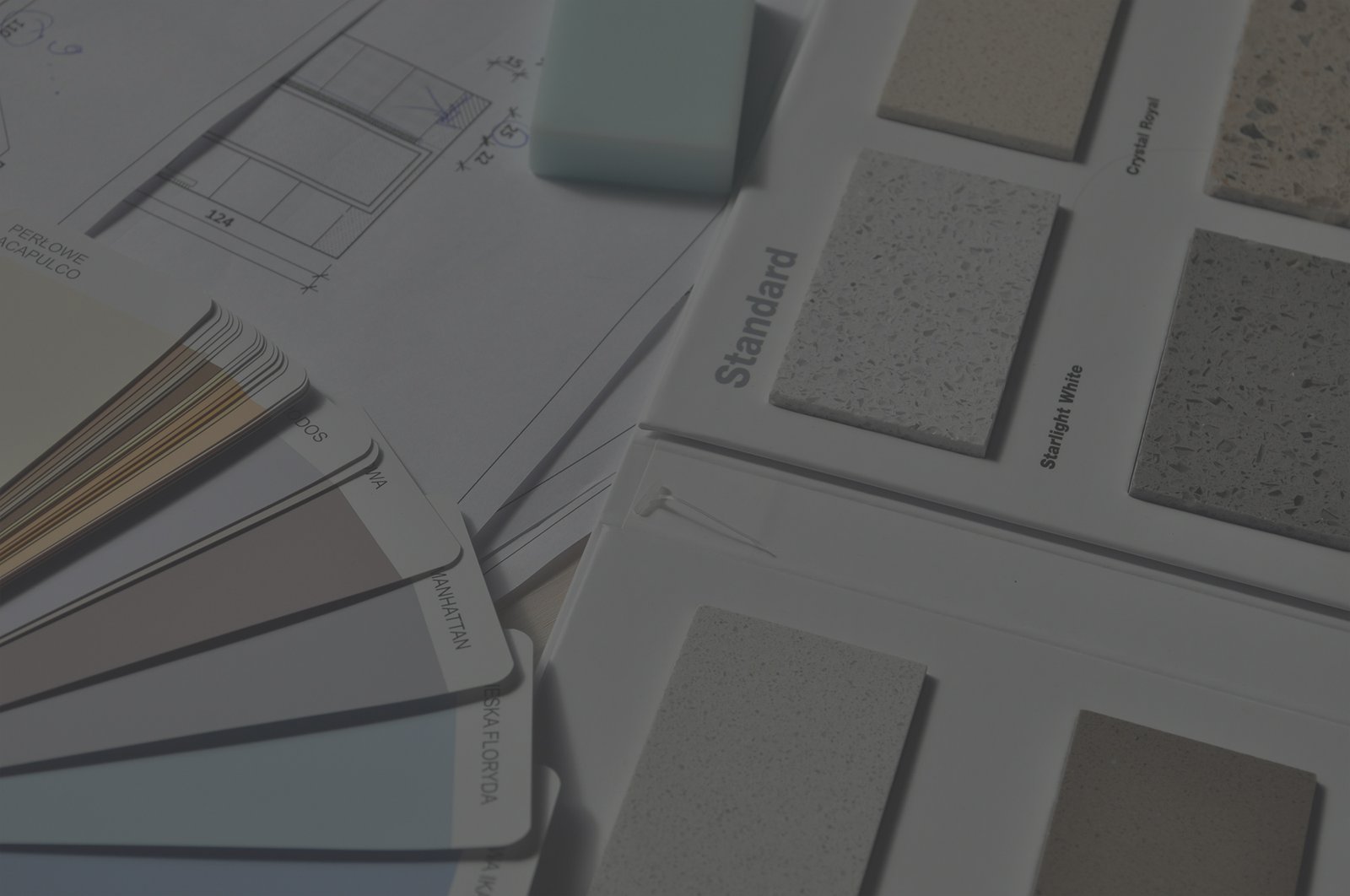
With over 100 carpets and vinyls to choose from, there is sure to be some thing for everyone.
From the finest luxury woven carpets, high quality wool to the best high traffic wearing loop pile trends.
With 100s more sample and colours to browse.
Our luxury vinyl range comes in a multitude of designs and styles, from 4 meter rolls for comfort and convenience to the best bathroom and shower room designs that will illuminate any space.
With the newest systems from LVT and sub floor prep.
Carpeting Services Belfast

Vinyl flooring Belfast
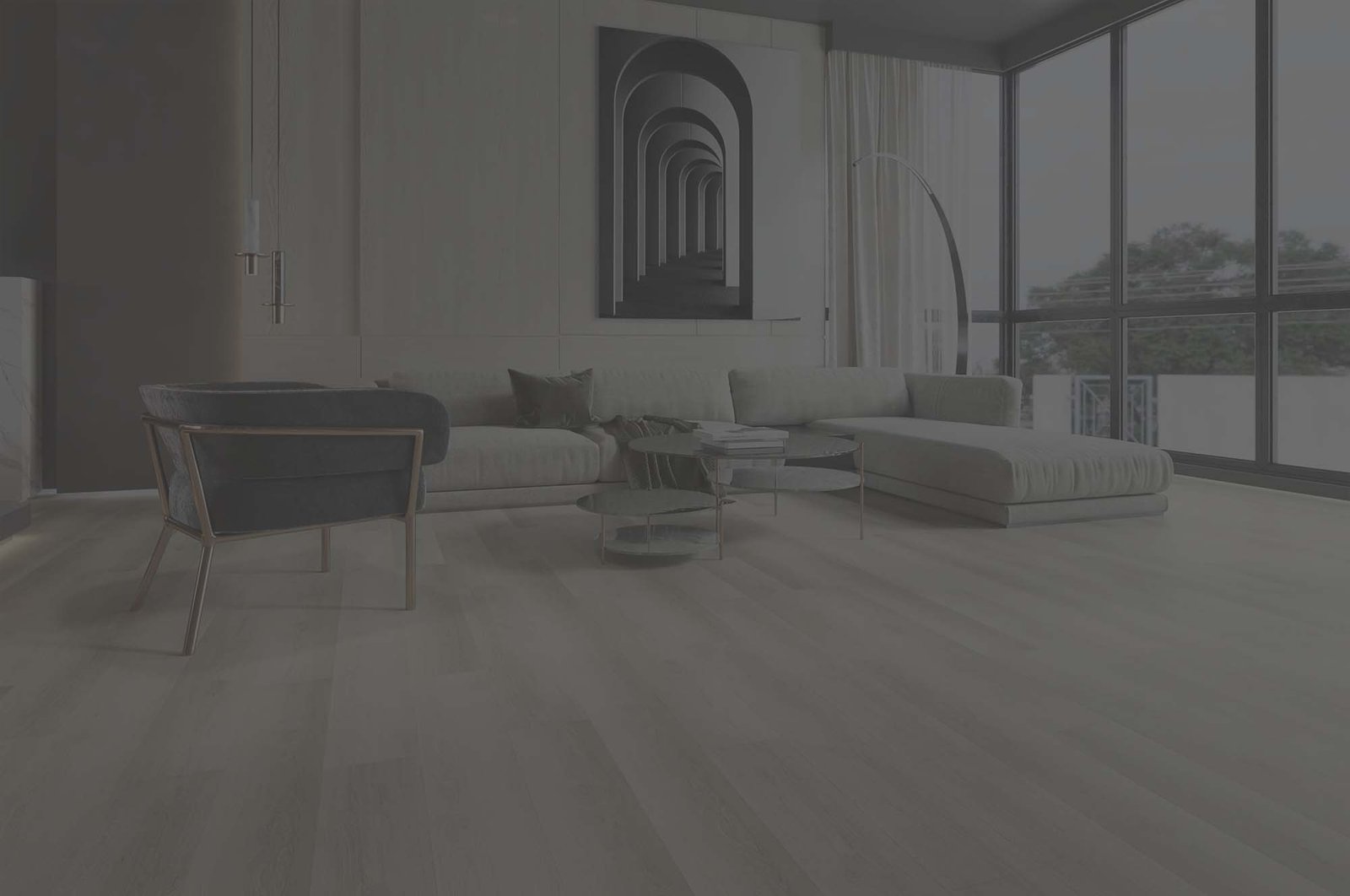
Laminate flooring Belfast
Frequently Asked Questions
Flooring refers to the permanent covering of a floor or the process of installing such a covering in a building or structure. It plays a crucial role in both the functionality and aesthetic of a space.
- Types of Flooring Materials
There are many kinds of flooring, each with different uses, looks, costs, and durability. Common types include:
|
Flooring Type |
Description |
|
Hardwood |
Made from solid wood. Durable, warm look, often used in living spaces. |
|
Laminate |
Composite material with a photographic layer that mimics wood or stone. Affordable and scratch-resistant. |
|
Vinyl |
Synthetic material; water-resistant and durable. Comes in sheets, tiles, or planks. |
|
Tile (Ceramic/Porcelain) |
Hard surface, water-resistant, common in kitchens and bathrooms. |
|
Carpet |
Soft textile floor covering. Comfortable but harder to clean. |
|
Concrete |
Durable, industrial look. Can be polished or stained. |
|
Stone |
Natural stone (like marble, granite, slate). Luxurious but expensive. |
|
Bamboo/Cork |
Eco-friendly alternatives with distinct textures and properties. |
- Purpose of Flooring
- Aesthetic appeal – Enhances the look of a room
- Durability – Protects the subfloor and withstands foot traffic
- Comfort – Some materials offer cushioning or insulation
- Maintenance – Different floors require different care
- Functionality – Suited to specific uses (e.g., waterproof for bathrooms)
- Flooring Installation
Installation depends on the material:
- Floating floors (e.g., laminate, some vinyl) click together and "float" over the subfloor.
- Glue-down floors (e.g., vinyl, engineered wood) are adhered directly.
- Nail-down floors (e.g., solid hardwood) are nailed to a wooden subfloor.
- Tile installation involves mortar, grout, and often backer boards.
Flooring is used in buildings for both practical and aesthetic reasons. It’s not just about covering the ground—it plays a major role in comfort, function, and style.
✅ Top Reasons to Use Flooring
- Creates a Usable, Walkable Surface
- Bare concrete or subfloors can be rough, uneven, or unsafe.
- Flooring provides a smooth, safe, and stable surface for walking, placing furniture, and everyday living.
- Protects the Subfloor or Structure
- Flooring acts as a barrier that prevents wear and tear on the structural base of a building.
- Helps resist moisture, impact, and abrasion depending on material.
- Enhances Appearance
- Flooring defines the look and feel of a space—modern, cozy, rustic, formal, etc.
- It ties in with interior design through color, texture, and material choice.
- Improves Comfort
- Soft floors like carpet or cork provide cushioning underfoot.
- Some materials help insulate against cold or reduce noise, making a home more comfortable.
- Adds Value
- High-quality flooring (like hardwood or stone) can increase property value and appeal to buyers or renters.
- Supports Hygiene and Cleanliness
- Smooth flooring like tile or vinyl is easy to clean, making it great for kitchens, bathrooms, and hospitals.
- Certain materials are more resistant to mold, bacteria, and allergens.
- Matches Functional Needs
- Different rooms require different features:
- Waterproof floors for bathrooms and kitchens
- Durable floors for high-traffic areas
- Soft floors for playrooms or bedrooms
- Safety
- Non-slip flooring reduces the risk of falls.
- Shock-absorbing options (like rubber or cushioned vinyl) are good for gyms or homes with children or elderly.
In Short:
Flooring is used to make indoor spaces livable, attractive, durable, and safe.
Here are the key benefits of flooring, depending on the type and where it’s used:
✅ 1. Aesthetic Appeal
- Flooring transforms the look and feel of a space.
- You can create styles ranging from modern and elegant to rustic and cozy.
- Wide variety of materials, colors, and patterns to match your decor.
✅ 2. Durability
- Many flooring options (like tile, hardwood, and vinyl) are made to withstand years of wear.
- Ideal for high-traffic areas like living rooms, kitchens, and hallways.
✅ 3. Easy Maintenance
- Smooth-surfaced floors like tile, vinyl, or laminate are easy to clean and resistant to stains.
- Some flooring types are also water- or scratch-resistant, reducing upkeep.
✅ 4. Comfort
- Certain types like carpet, cork, or padded vinyl offer a softer, warmer surface.
- More comfortable for standing, walking, or sitting for long periods.
✅ 5. Safety
- Non-slip and impact-resistant flooring helps prevent falls and injuries, especially in homes with children or elderly people.
- Anti-bacterial or moisture-resistant flooring reduces health hazards.
✅ 6. Improved Air Quality
- Hard flooring like tile, wood, or laminate doesn’t trap dust, pollen, or pet dander like carpet can.
- Great for people with allergies or asthma.
✅ 7. Energy Efficiency
- Flooring can help with insulation, keeping a room warmer in winter and cooler in summer.
- Materials like carpet, cork, and wood add thermal resistance.
✅ 8. Noise Reduction
- Soft flooring like carpet or underlay absorbs sound, reducing footsteps, echoes, and noise between floors.
- Good for bedrooms, apartments, or offices.
✅ 9. Increases Property Value
- Quality flooring like hardwood or luxury tile can raise your home's resale value.
- Buyers tend to notice and prefer well-maintained or modern floors.
✅ 10. Customization & Versatility
- From kitchens to gyms, there’s a flooring type to suit every space.
- You can choose flooring based on water resistance, color, cost, comfort, or even eco-friendliness.
Summary Table:
|
Benefit |
Explanation |
|
Aesthetics |
Enhances interior design |
|
Durability |
Withstands heavy use |
|
Easy Maintenance |
Simple to clean and care for |
|
Comfort |
Feels better underfoot |
|
Safety |
Reduces risk of slips and injuries |
|
Air Quality |
Helps reduce allergens (with hard flooring) |
|
Energy Efficiency |
Adds insulation to retain heat or cool |
|
Noise Reduction |
Dampens sound in the space |
|
Property Value |
Increases appeal and resale price |
|
Versatility |
Works for any room and purpose |